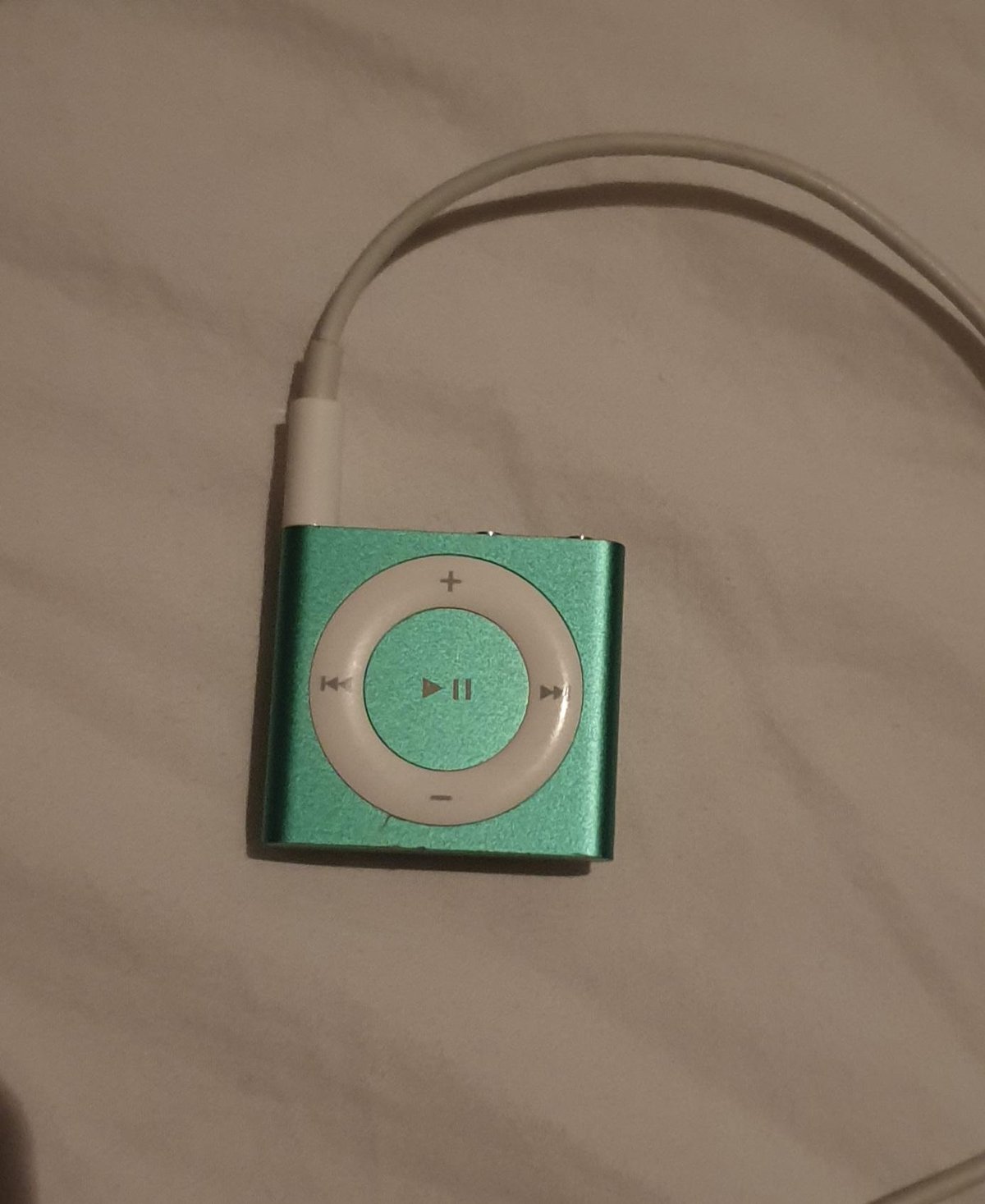
The iPod Shuffle has always stood apart in Apple's iconic music player lineup, championing simplicity and portability over screens and apps. Among its iterations, the 4th Generation, introduced in late 2010, holds a special place, effectively righting the course after the less-loved 3rd Gen. If you're looking into the iPod Shuffle 4th Gen Specs & Performance, you'll quickly discover it masterfully blends the beloved clickable controls of earlier models with the innovative VoiceOver feature, all while delivering a solid 15 hours of music playback. It's a tiny powerhouse, designed for an uncomplicated auditory experience.
Whether you're rediscovering an old favorite or curious about this minimalist marvel, understanding its core capabilities will help you appreciate its enduring charm. It's a testament to focused design: pure music, pure convenience.
At a Glance: iPod Shuffle 4th Gen Essential Takeaways
- Classic Controls: Reintroduced tactile, clickable ring buttons for play, volume, and track navigation.
- VoiceOver Feature: Speaks song titles, artists, playlists, and Genius Mixes out loud for screen-free navigation.
- Compact Design: Incredibly small and light (0.44 oz), with a built-in clip for easy wearability.
- Storage: 2 GB capacity, holding approximately 500 songs.
- Battery Life: Up to 15 hours of continuous music playback on a single charge.
- Colors: Available in silver, blue, green, orange, and pink.
- No Screen, No Problem: Designed for audio-only enjoyment; no video or photo support.
- Charging & Syncing: Uses a standard USB connection via its 3.5mm stereo minijack.
The Shuffle's Evolution: A Return to Form with a Twist
After the somewhat controversial button-less design of the 3rd Generation, Apple listened to its users. The iPod Shuffle 4th Generation, launched on September 1, 2010, marked a welcome return to the familiar, tactile "clickable ring buttons" that made the 2nd Generation so popular. This meant users could once again intuitively control their music without fumbling. But Apple didn't just rehash old ideas; they cleverly integrated the best part of the 3rd Gen: VoiceOver.
This thoughtful blend created a device that offered the best of both worlds. The physical controls provided immediate feedback, while VoiceOver offered a sophisticated way to navigate a growing music library without needing a screen. It was a clear signal that Apple understood the core appeal of the Shuffle – simplicity, portability, and direct interaction with your music. This particular model was available until September 12, 2012, before being replaced, but its legacy as a user-favorite endures.
Design and Portability: Small, Mighty, and Clip-Ready
The sheer physicality of the 4th Gen Shuffle is one of its most compelling features. Measuring a mere 1.14 x 1.24 x 0.34 inches (29.0 x 31.6 x 8.7 mm including the clip) and weighing just 0.44 ounces (12.5 grams), it’s almost impossibly small. You can easily clip it to your shirt, pocket, or gym shorts and virtually forget it's there. This makes it an ideal companion for workouts, commutes, or any activity where a larger device would be cumbersome.
The housing was offered in five vibrant colors: classic silver (featuring a black control ring), and blue, green, orange, and pink (each sporting a white control ring). These color options not only added a touch of personal flair but also made the tiny device stand out. Its robust aluminum unibody construction gave it a premium feel and surprising durability for its size.
The Magic of VoiceOver: Navigating Without a Screen
For a device with no display, the iPod Shuffle 4th Gen's VoiceOver functionality is nothing short of brilliant. This feature, activated by a dedicated button on top of the device, audibly speaks the name of the current song, artist, playlist, or even "Genius Mixes" out loud. This was a game-changer for screen-less navigation, allowing users to understand what they were listening to or switch between playlists without having to guess or memorize track orders.
To use VoiceOver, you simply press the VoiceOver button. A quick press announces the current track and artist. Holding it down briefly will announce the current playlist, and then you can use the forward/back buttons to cycle through your available playlists. It’s an intuitive system that truly empowers a completely hands-off, eyes-off musical experience. VoiceOver even supports multiple languages, making it globally accessible.
Under the Hood: Core Specs & Performance that Matter
While the iPod Shuffle focuses on a streamlined user experience, its underlying specifications are robust enough to deliver reliable performance for its intended purpose. It's not about raw power, but about efficient, focused engineering.
Storage Capacity & Your Song Library
Every iPod Shuffle 4th Generation model came with 2 GB of internal flash storage. While this might seem modest by today's standards, it's perfectly suited for a device designed to be filled with "just the right amount" of music for a specific activity or mood. Based on Apple's former criteria (4 minutes per song at 128-Kbps AAC encoding), 2 GB translates to approximately 500 songs. This is ample room for several workout playlists, a diverse collection for a long commute, or a curated selection of your favorite albums.
Crucially, the Shuffle's lack of a display means it doesn't support photos or video playback. This is a deliberate design choice that simplifies the device, keeps costs down, and ensures maximum battery efficiency for its primary function: playing music. If you're looking for visual media, other iPod models or smartphones are better suited.
Battery Life That Lasts
One of the standout iPod Shuffle 4th Gen Specs & Performance points is its impressive battery life. Apple estimated "up to" 15 hours of continuous music playback on a full charge. For a device so small, this is a substantial duration, meaning you can get through multiple long runs, several days of commuting, or even a full workday without needing to recharge. This long endurance contributes significantly to its appeal as a dedicated, grab-and-go music player.
Recharging the device from empty takes "about 3 hours," making it easy to top up overnight or during a short break. The battery is a non-replaceable, integrated lithium-ion unit, typical for such compact devices. Maintaining good charging habits (avoiding complete drains regularly, not leaving it plugged in indefinitely) can help prolong its overall lifespan.
Processing Power: The Samsung ARM Chip
Apple doesn't provide granular details on the processor used in the 4th Gen Shuffle, but it's widely believed to feature an Apple-branded processor based on the Samsung ARM architecture. This processor, though low-power, is more than sufficient to handle audio decoding, manage the user interface, and power the VoiceOver functionality efficiently. It's a testament to the optimization that allows such a tiny device to perform its core tasks flawlessly without a significant draw on the battery.
Supported Audio Formats: Play Your Way
The iPod Shuffle 4th Generation is remarkably versatile when it comes to audio formats, ensuring compatibility with most common music files you might already own or acquire from the iTunes Store. It supports:
- AAC (8 to 320 Kbps)
- Protected AAC (from iTunes Store)
- MP3 (8 to 320 Kbps)
- MP3 VBR (Variable Bit Rate)
- Audible (formats 2, 3, 4, Audible Enhanced Audio, AAX, and AAX+)
- Apple Lossless
- AIFF
- WAV
This broad support means you're unlikely to encounter issues playing your favorite tracks, whether they're ripped from CDs, purchased from digital stores, or part of an audiobook collection.
Connectivity & Charging: A Single, Versatile Port
The Shuffle's simplicity extends to its connectivity. It features a single 3.5-mm stereo headphone jack. This dual-purpose port handles both audio output to your headphones and serves as the charging and syncing port via a specialized USB cable (a 45mm cable was included in the box). This streamlined design minimizes external ports, further contributing to its compact form factor and durability.
It's important to note that the 4th Gen Shuffle uses USB for syncing and charging; it does not support Firewire "400." This was a common standard by 2010, aligning the Shuffle with contemporary computer connectivity.
Setting Up Your Shuffle: Compatibility & Syncing
Getting your music onto the iPod Shuffle 4th Gen is a straightforward process managed primarily through Apple's iTunes software (or Music app on newer macOS versions).
Operating System and iTunes Requirements
To sync and charge your iPod Shuffle, you'll need:
- Mac: A Mac computer with a USB 2.0 port, running Mac OS X 10.5.8 or later, and iTunes 10 or later.
- Windows: A PC with a USB 2.0 port, running Windows 7, Windows Vista, or Windows XP Home or Professional (SP3) or later, and iTunes 10 or later.
These requirements were standard for the period and mean that even older computers might still be compatible. The process of syncing involves connecting the Shuffle, opening iTunes, and dragging your desired songs or playlists to the device. iTunes will automatically handle the conversion of supported formats if needed.
Loading Your Music: The Power of Playlists
The most efficient way to manage music on your Shuffle is through playlists. Once connected to your computer and recognized by iTunes/Music, you can create specific playlists for your Shuffle. This allows you to curate content precisely for different moods or activities. You can then drag these playlists directly onto the Shuffle icon in iTunes.
For those who crave variety, the "Autofill" feature in iTunes is a fantastic option. It automatically fills your Shuffle with a random selection of songs from your library or a specific playlist, ensuring a fresh mix every time you sync. This aligns perfectly with the "shuffle" philosophy of the device.
For a deeper dive into Apple's compact audio players, you might want to Explore Apple iPod Shuffle 4th Gen further and see how it fits into the broader iPod ecosystem.
Beyond the Basics: Making the Most of Your 4th Gen Shuffle
Owning an iPod Shuffle 4th Gen is about more than just its core iPod Shuffle 4th Gen Specs & Performance; it's about optimizing the experience to fit your lifestyle.
Tips for Managing Playlists and VoiceOver Languages
- Curate Thoughtfully: With 500 songs, think of your Shuffle as a specialized collection. Create playlists for specific activities (e.g., "Gym Mix," "Commute Chill," "Focus Tunes"). This makes VoiceOver navigation much more effective.
- Use Genius Mixes: iTunes' Genius feature can create automatic, genre-similar playlists based on your favorite songs. Syncing these to your Shuffle provides a surprisingly personalized listening experience.
- Change VoiceOver Language: If you speak multiple languages or prefer a different accent, you can change the VoiceOver language settings in iTunes under the Shuffle's device summary. This ensures VoiceOver announces song titles and artists in a way that's clearest to you.
- Update Regularly: While the Shuffle doesn't get feature updates, occasionally syncing it with iTunes ensures its internal software is up-to-date, which can resolve minor bugs and improve stability.
Troubleshooting Common Issues
Even a simple device like the Shuffle can encounter minor hiccups. Here are quick solutions for common problems:
- Not recognized by computer: Try a different USB port, a different USB cable (ensure it's an Apple-compatible one, as the 45mm cable is unique), or restart your computer. Make sure iTunes is updated.
- Battery draining too fast: Ensure the Shuffle is powered off (switch to the center 'off' position) when not in use. Very cold temperatures can also impact battery performance.
- VoiceOver not working: Check iTunes settings for your Shuffle. Ensure VoiceOver is enabled and the correct language pack is installed.
- Buttons unresponsive: A simple restart (turn off, wait 10 seconds, turn on) can often fix minor software glitches. If physical buttons are stuck, check for debris.
Maintaining Its Longevity
The 4th Gen Shuffle is built to last, but a little care goes a long way:
- Keep it dry: It's not waterproof. Protect it from sweat during intense workouts or from rain.
- Clean gently: Use a soft, dry, lint-free cloth to wipe away fingerprints or grime. Avoid harsh chemicals.
- Store properly: When not in use for extended periods, store it in a cool, dry place with about a 50% charge.
The Shuffle's Legacy: Where the 4th Gen Stands
The iPod Shuffle 4th Generation isn't just a piece of tech; it's a statement about simplicity and focused purpose. It represents a mature design in the Shuffle lineage, having learned from its predecessors.
Comparison to Earlier Generations
- vs. 2nd Generation: The 4th Gen closely mirrors the 2nd Gen's beloved form factor and clickable controls, improving upon it with the addition of VoiceOver and a slightly more refined finish. It's essentially a more advanced version of what people loved about the 2nd Gen.
- vs. 3rd Generation: The 4th Gen was a direct response to the 3rd Gen's remote-on-earphone-cord control scheme, which many found cumbersome. By bringing back the on-device buttons while retaining VoiceOver, the 4th Gen largely surpassed its immediate predecessor in user satisfaction.
Why It Remains Relevant: Simplicity and Focus
Even in an age of smartwatches and streaming, the 4th Gen Shuffle holds a niche. It offers:
- Distraction-Free Music: No notifications, no internet, just your tunes. Perfect for focused work or immersive exercise.
- Unbeatable Portability: Its tiny size and clip make it ideal for activities where a phone is too bulky or delicate.
- Nostalgia & Collectibility: For many, it's a piece of tech history that still functions beautifully. Its relatively low original price (US$49) and current estimated retail (US$30-US$40) make it an accessible collectible.
The iPod Shuffle 4th Gen (Model No. A1373, EMC 2400) was a global success, with original prices set for various regions, from C$59 in Canada to €49 in Germany, ¥4,800 in Japan, and A$69 in Australia, showcasing its worldwide appeal.
Frequently Asked Questions (FAQs)
Can I use Bluetooth headphones with the iPod Shuffle 4th Gen?
No, the iPod Shuffle 4th Generation does not have Bluetooth capabilities. It only supports audio output through its 3.5mm stereo minijack, meaning you must use wired headphones.
Does the iPod Shuffle 4th Gen have a screen?
No, it explicitly does not have an integrated display. All navigation and information (like song titles) are handled through the physical buttons and the VoiceOver feature, which speaks information aloud.
How do I skip songs or change volume on the 4th Gen Shuffle?
The device features a clickable ring button with distinct areas: a central play/pause button, volume up/down controls, and next/previous track buttons. You simply click the desired area on the ring.
Is the iPod Shuffle 4th Gen waterproof?
No, the iPod Shuffle 4th Gen is not waterproof or water-resistant. Exposure to water or excessive moisture can damage the device.
Where can I buy an iPod Shuffle 4th Gen now?
Since it was discontinued in 2012, new units are no longer available from Apple. You can often find used or refurbished models on online marketplaces like eBay, Amazon (from third-party sellers), or specialized electronics resale sites. Be sure to check seller ratings and product condition carefully.
The Enduring Appeal of Focused Sound
The iPod Shuffle 4th Generation represents a masterclass in minimalist design and focused functionality. Its iPod Shuffle 4th Gen Specs & Performance are not about cutting-edge processing or vast storage, but about delivering a perfect, unadulterated music experience in the most portable package possible. With its familiar buttons, ingenious VoiceOver, and impressive battery life, it remains a beloved device for those who crave simplicity, portability, and a distraction-free soundtrack to their lives.
If you appreciate a device that does one thing exceptionally well, the 4th Gen Shuffle stands as a timeless example of Apple's thoughtful engineering. It reminds us that sometimes, less truly is more.