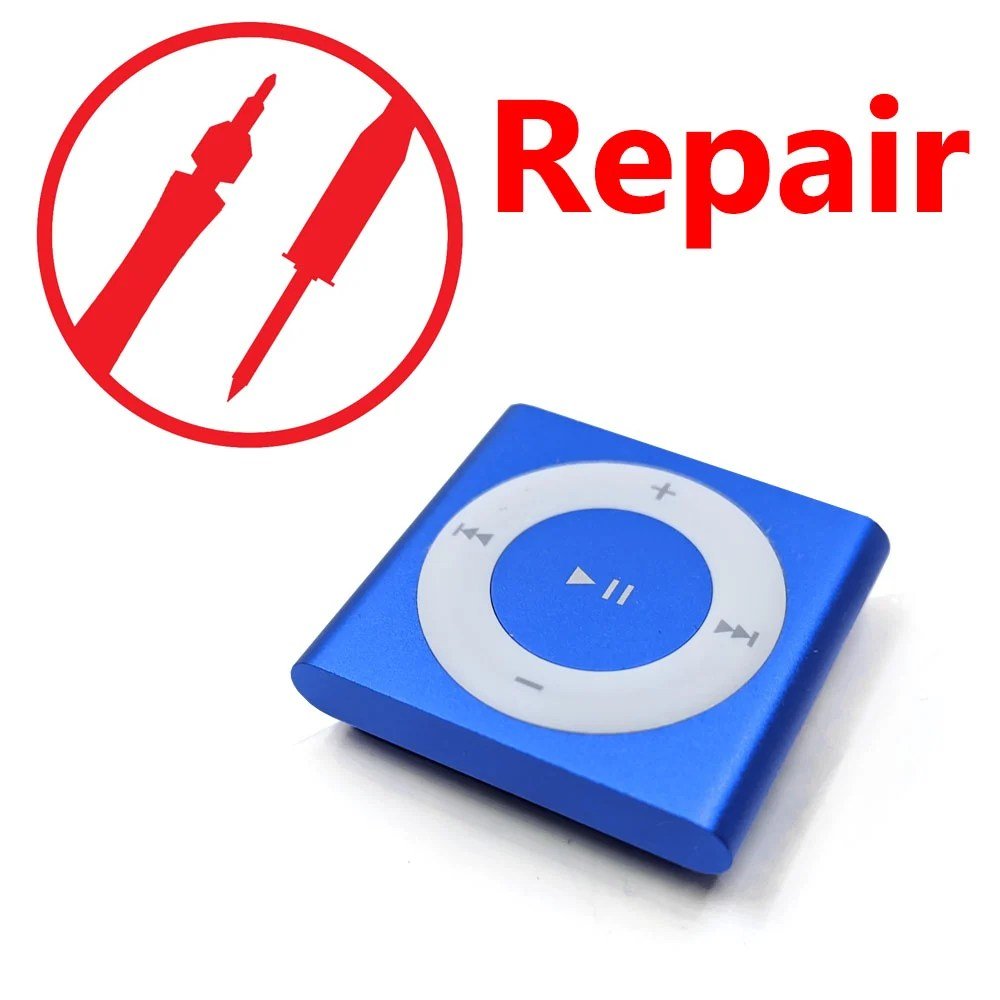
When you think about the iPod, what comes to mind? For many, it's the iconic click wheel, a vibrant color screen, or perhaps a massive music library. But then there's the iPod Shuffle, a curious outlier in Apple's revolutionary music player lineup. Among its minimalist brethren, the iPod Shuffle 4th Gen: History & Legacy stands out, not just as the last of its kind, but as a quiet testament to the enduring appeal of simplicity in an increasingly complex tech world. It was a tiny device with a singular purpose, and in its final iteration, it perfected that purpose.
In an era defined by touchscreens and endless notifications, the 4th Gen Shuffle offered a deliberate step back, inviting users to simply listen. It was a pocket-sized rebellion against digital overload, a device that understood the profound pleasure of music without distraction.
At a Glance: The iPod Shuffle 4th Gen
- Year Released: September 1, 2010 (discontinued July 27, 2017)
- Key Innovation: Brought back physical, clickable controls to the device itself (a direct response to 3rd Gen's remote-only controls).
- VoiceOver: Retained and improved, now with a dedicated button and support for 29 languages.
- Design: Compact, clip-on aluminum body (29 x 31.6 x 8.7 mm, 12.5g).
- Capacity: 2GB, holding hundreds of songs.
- Audio Support: Broadened to include Apple Lossless files.
- Battery Life: Up to 15 hours of playback.
- Legacy: Celebrated for its ultimate portability, ease of use, and focus on pure music enjoyment without a screen.
A Brief History of Apple's Smallest Wonder
Before we dive deep into the 4th Generation, it’s crucial to understand the journey of the iPod Shuffle. Apple's smallest music player was designed with a clear objective: to offer a budget-friendly, highly portable device for music enjoyment. It was the antithesis of the iPod Classic, shedding screens, elaborate interfaces, and storage for sheer, unadulterated musical spontaneity.
Generation 1: The Gum Stick That Started It All (2005)
When Steve Jobs unveiled the original iPod Shuffle on January 11, 2005, it was a revelation. Resembling a pack of chewing gum sticks and weighing a mere 0.78 ounces, this tiny white rectangle challenged the very notion of what an iPod should be. It had no screen, no click wheel, and no ability to manage playlists on the go. Its charm lay in its simplicity: load it up with songs, plug in your headphones, and let it play, either sequentially or in a glorious random "shuffle."
The first Shuffle introduced the ingenious "AutoFill" feature in iTunes, which automatically selected random songs and optimized higher-quality audio files to a more manageable 128 kbit/s AAC-LC for transfer. This made managing music for the screenless device incredibly easy. It plugged directly into a USB port for charging and data transfer and could even double as a USB flash drive. This bold move into the flash-memory market rapidly propelled Apple to the forefront, effectively replacing rivals like iriver and securing 58% of the flash-based music player market by March 2005.
Generation 2: The Clip-On Revolution (2006)
Just over a year later, on September 12, 2006, Apple miniaturized the concept even further with the second-generation iPod Shuffle. Less than half the size of its predecessor, this new model featured a sleek, silver brushed aluminum case and, crucially, a built-in belt clip. Apple enthusiastically declared it "the most wearable iPod ever" and "the world's smallest MP3 player."
This generation, while incredibly popular for its portability, introduced a minor inconvenience: it required a specific docking station (connected via the headphone jack) for USB connectivity and charging, as it lacked a direct USB port. It initially launched with 1 GB capacity in silver but soon exploded into a vibrant palette of colors, with a 2 GB version joining the lineup in 2008. The 2nd Gen cemented the Shuffle's reputation as the ultimate gym companion and a fashion accessory.
Generation 3: The Controversial Control Experiment (2009)
The third generation, released on March 11, 2009, pushed the boundaries of minimalism to its absolute limit, perhaps a step too far for many users. While "jaw-droppingly small" and aesthetically stunning in silver or a new black brushed aluminum, it controversially removed all on-device controls. Instead, playback, volume, and even playlist selection were exclusively managed via a three-button control integrated into the right earbud cord.
This design choice, while elegant in its reduction, created significant user friction. If you lost or broke your bundled headphones, or preferred your own high-fidelity set, you were out of luck unless you purchased expensive, compatible third-party accessories or adapters. On the positive side, this generation introduced "VoiceOver" technology, allowing the Shuffle to audibly speak song names, artists, and playlist contents in multiple languages – a vital feature for a screenless device. It also finally supported multiple playlists, which was a huge functional upgrade.
The Fourth Generation: Learning from the Past, Looking to the Future (2020-2017)
The lessons learned from the 3rd Gen's control scheme weren't lost on Apple. The 4th Generation iPod Shuffle, unveiled on September 1, 2010, was a direct course correction, a return to user-friendly design without sacrificing the core tenets of portability and minimalism. It quickly became the definitive version of the screenless player, refining its predecessors into a highly polished, genuinely beloved device.
The Return of the Click: Controls Reimagined
The most significant and celebrated change in the 4th Gen was the reintroduction of physical, clickable track and volume controls onto the device itself. This was met with widespread relief from users who had found the 3rd Gen's reliance on headphone controls frustrating. The control pad was even 18% larger than the 2nd Gen's, making it easier to navigate by touch without looking. This decision underscored Apple's willingness to listen to user feedback, balancing innovative design with practical usability.
VoiceOver: The Evolution of Spoken Interface
VoiceOver, first introduced in the 3rd Gen, was not just retained but enhanced in the 4th Generation. It now had a dedicated physical button on the top of the device, making it much easier to access. With support for 29 languages, VoiceOver became an even more robust and user-friendly feature, allowing listeners to effortlessly switch between playlists, hear song titles, and artist names without ever needing a screen. This feature was crucial for empowering the screenless experience, transforming what could have been a clunky interaction into a seamless auditory journey.
Design and Portability: A Featherweight Champion
True to its heritage, the 4th Gen Shuffle remained incredibly small and light. Measuring a mere 29 mm × 31.6 mm × 8.7 mm and weighing just 12.5 grams (0.4 ounces), it was practically imperceptible when clipped to clothing. The brushed aluminum body was both durable and stylish, and Apple continued its tradition of offering a vibrant array of colors. Initially available in five hues, subsequent updates introduced even more options, including various color pads to create striking two-tone designs (e.g., silver with a black pad, purple with a white pad, and the iconic Product Red edition).
Unlike the 2nd Gen, the 4th Gen Shuffle returned to a direct cable connection for charging and data. It used a compact 45 mm USB cable that plugged into the headphone jack, eliminating the need for a separate docking station. This tiny footprint and clip-on design made it the quintessential companion for workouts, commutes, or any activity where a larger device would be cumbersome.
Beneath the Hood: Audio Fidelity and Features
Beyond the external design, the 4th Gen Shuffle also brought internal improvements. It supported a comprehensive range of audio formats, including MP3, VBR (Variable Bit Rate) MP3, AAC, Protected AAC, Audible (formats 2, 3, 4), WAV, AIFF, and, notably, the addition of Apple Lossless. This latter inclusion was significant, allowing audiophiles to enjoy higher-fidelity sound on such a diminutive device, showcasing Apple's commitment to sound quality even in its most basic player.
The device also integrated Apple's "Genius" feature, which could automatically create playlists of songs that complement each other. This added another layer of curated listening enjoyment, perfect for those who wanted new music combinations without the hassle of manual playlist creation. With a battery life of up to 15 hours of continuous music playback, the 4th Gen Shuffle was a reliable companion for long runs or extended listening sessions. If you're looking for even more details on its capabilities, you might find our comprehensive Apple iPod Shuffle 4th Gen guide helpful.
The Shuffle's Broader Impact: Reshaping the Market
The iPod Shuffle line, and particularly its refined 4th Generation, played a pivotal role in Apple's broader strategy and the evolution of the music player market.
Dominating the Flash Player Landscape
From its inception, the Shuffle aimed to target a lower-end market, increasing Apple's overall market share and mass-market visibility. It was incredibly successful. By April 2005, just three months after its launch, analysts estimated that 1.8 million of the 5.3 million iPods sold were Shuffles. This rapid adoption solidified Apple's position as the global leader in the flash player market, eclipsing competitors like iriver. By September 2006, Apple CEO Steve Jobs proudly announced that 10 million first-generation iPod Shuffles had been sold.
The Shuffle's success forced competitors, such as Sony with its Walkman Bean and SanDisk with its Sansa Clip, to innovate their own compact, flash-based players. However, none managed to capture the cultural cachet and market dominance that the iPod Shuffle commanded, thanks to Apple's brand power, iTunes ecosystem, and intuitive design.
The Minimalist Movement: A Counter-Narrative
In a world increasingly moving towards feature-rich, screen-heavy devices, the Shuffle offered a refreshing counter-narrative. It championed minimalism. Its lack of a screen wasn't a drawback but a deliberate design choice, forcing users to engage with their music in a different way. Without visual cues, the Shuffle fostered a more immersive listening experience, free from the distractions of album art, menus, or notifications. It was a purely auditory device, reminding users that sometimes, less truly is more.
Why the iPod Shuffle 4th Gen Endures
Though discontinued in 2017, the 4th Gen iPod Shuffle retains a special place in the hearts of many and continues to be sought after on secondary markets. Its enduring legacy is a multifaceted one.
A Perfect Companion for Active Lifestyles
The 4th Gen Shuffle was, and still is, arguably the best music player ever made for physical activity. Its minuscule size, featherlight weight, and sturdy built-in clip made it ideal for runners, gym-goers, and cyclists. It didn't bounce, didn't add bulk, and didn't distract. Unlike smartphones, it didn't track your run (unless paired with other devices), but it provided the essential soundtrack without the risk of damaging an expensive phone. For many, it's still the go-to device for their workouts, a testament to its practical, purpose-built design.
The Joy of Uninterrupted Music
In an age of constant connectivity, the 4th Gen Shuffle offers a delightful escape. It's a digital detox in your pocket. There are no emails, no social media alerts, no push notifications – just your music. This focus on pure audio allows for a deeper connection with the music itself, making it a perfect device for focused work, relaxation, or simply enjoying your favorite tunes without interruption.
Collectible Charm and Nostalgia
For tech enthusiasts and Apple collectors, the 4th Gen Shuffle holds a distinct appeal. It represents the pinnacle of a unique product line, the final refinement of a bold experiment in minimalism. Its simple, elegant design and vibrant colors make it a charming piece of industrial design, a tangible reminder of a time when Apple was constantly experimenting with new form factors and user interfaces in the music player space. Owning one today is often an act of nostalgia, a connection to simpler times, and an appreciation for thoughtful design.
Common Questions About the iPod Shuffle 4th Gen
The Shuffle still sparks curiosity. Here are some common questions.
Q: Can you still use a 4th Gen Shuffle today?
A: Absolutely! As long as you have a compatible computer (Mac or PC) with iTunes (or Finder on newer macOS versions) to sync music, the 4th Gen Shuffle functions perfectly. Its robust design means many units are still in excellent working condition.
Q: How do you add music to an iPod Shuffle 4th Gen?
A: You connect it to your computer using the proprietary 45 mm USB cable (which plugs into the headphone jack). iTunes (or Finder) will recognize it, and you can then drag and drop songs or use the AutoFill feature to automatically load music onto the device.
Q: What was the biggest problem with the Shuffle line, and how did the 4th Gen address it?
A: The most significant user-experience problem was with the 3rd Generation's reliance on proprietary headphone controls, which limited headphone choice and caused frustration. The 4th Gen directly addressed this by bringing back clickable physical controls to the device itself, making it far more user-friendly and compatible with any standard headphones. Earlier generations also faced a "blinking light problem" that Apple resolved with a reset utility, but the 4th Gen was largely free of such critical bugs.
Q: Why did Apple discontinue the iPod Shuffle?
A: The iPod Shuffle, along with the iPod Nano, was officially discontinued on July 27, 2017. The primary reason was the rise of smartphones. As phones became ubiquitous and offered advanced music playback, streaming capabilities, and fitness tracking, dedicated, screenless music players like the Shuffle became increasingly niche. The market had simply moved on to multi-purpose devices.
Embracing the Legacy: Where Minimalism Meets Music
The iPod Shuffle 4th Gen wasn't just another product; it was a philosophy. It embodied Apple's ability to strip away the unnecessary, to distill a complex function down to its purest, most enjoyable form. It proved that sometimes, the most revolutionary features are the ones you don't include.
In a world drowning in digital noise, the 4th Gen iPod Shuffle remains a beacon of deliberate simplicity. It reminds us of the profound joy of focusing on one thing and doing it exceptionally well: playing music. Its history is a journey from initial curiosity to ultimate refinement, and its legacy is a testament to the enduring power of minimalism in technology. It's a humble yet mighty device that carved out its own unique space, proving that even the smallest player can leave an outsized impact on the world of music and tech.