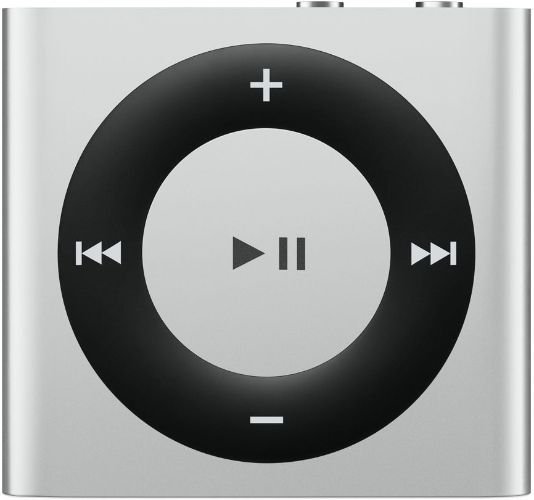
Who knew a tiny, clip-on music player would still be a hot commodity years after its supposed obsolescence? Yet, here we are. The humble iPod Shuffle 4th Generation, with its distinctive click wheel and vibrant colors, has carved out a unique niche in today's tech landscape. Whether you're looking to offload a forgotten gem or keen to acquire a piece of minimalist audio history, understanding the nuances of Buying & Selling iPod Shuffle 4th Gen Today is key to making a smart deal. Forget the smartwatches and streaming services for a moment; there's a thriving, albeit niche, market for these delightful little devices.
It’s not just nostalgia driving demand. Many seek the Shuffle for its sheer simplicity—no screens, no distractions, just pure music in a pocket-friendly package, ideal for workouts, commutes, or even as a retro statement. But how do you navigate this market, ensuring you get top dollar for your Shuffle or snag a genuine bargain?
At a Glance: Your Quick Guide to the iPod Shuffle 4th Gen Market
- Timeless Appeal: Simplicity, portability, and nostalgia keep the 4th Gen Shuffle in demand.
- Identification is Key: Know the specific model number (A1373) and physical features to confirm it’s a 4th Gen.
- Condition Rules: Immaculate devices with original packaging command premium prices. Even broken ones have value!
- Pricing Strategy: Research recent sales on platforms like eBay, Swappa, or specialized electronics buyers.
- Selling Online: Reputable sites like iGotOffer specialize in buying old electronics quickly and easily, even broken ones.
- Buyer Beware: Watch for counterfeits; verify model numbers and seller credibility.
- Loading Music: You’ll still need iTunes (or Finder on newer macOS versions) and the "autofill" feature.
Why the Shuffle Still Charms (And Sells) in a Streaming World
In an era dominated by sprawling touchscreens and subscription services, the iPod Shuffle 4th Gen feels like a breath of fresh air. It’s a pure music experience, free from notifications, ads, or battery-draining apps. This focused functionality is precisely why it remains relevant for a specific segment of users. Think about it:
- Workout Warrior's Dream: Lightweight, clips securely, and can withstand a bit of sweat without fear of screen damage. No phone needed for your run.
- Digital Detox Tool: Provides music without the digital noise, perfect for those seeking to reduce screen time.
- Nostalgia Factor: For many, it evokes simpler times, a tangible piece of Apple's iconic design legacy.
- Backup/Secondary Player: A reliable, inexpensive option for situations where you wouldn't risk a smartphone.
Apple designed these players with an ingenious "autofill" feature in iTunes, which randomly selected songs from a user's library or playlist to fill its memory. This made managing music surprisingly simple for a device without a screen, a testament to its user-centric design. This enduring appeal means there's a legitimate, active market for both functioning and even non-functioning units.
Spotting Your Shuffle: 4th Gen vs. The Rest
Before you can confidently buy or sell, you need to be absolutely sure you’re dealing with an iPod Shuffle 4th Generation. Apple released four distinct generations of the iPod Shuffle, each with unique characteristics. Misidentifying your device could lead to incorrect pricing or a failed sale.
The Apple iPod Shuffle 4th Gen (model number A1373) was introduced in 2010 and is easily recognizable by a few key features:
- The Click Wheel: Unlike the earlier 3rd Gen which was controlled solely by headphone controls, the 4th Gen brought back the tactile, circular click wheel. This is its most distinguishing feature.
- Physical Buttons: It features a shuffle/play mode switch, a VoiceOver button, and the iconic click wheel with central play/pause, volume up/down, and skip forward/back buttons.
- Size & Shape: It's a small, square device with a built-in clip on the back, slightly larger than the 3rd Gen but smaller than the 1st and 2nd Gens.
- Colors: Originally launched in silver, blue, green, orange, and pink, with later additions like yellow, purple, and gray.
- Model Number: The definitive way to identify it. Look on the back of the device, usually etched in tiny print near the clip. The 4th Gen is A1373.
How to find the model number: If the print is too small or faded, you can often find the model number by connecting the Shuffle to iTunes (or Finder on macOS Catalina and later). Select the device, and the details, including the model number, should be displayed.
Understanding these distinctions is paramount. For buyers, it ensures you're getting the specific model you desire. For sellers, it's crucial for accurate listing and pricing.
The Seller's Playbook: Getting Top Dollar for Your Shuffle
You’ve got an iPod Shuffle 4th Gen collecting dust, and you're ready to turn it into cash. Excellent! While old iPods tend to lose value with the release of new models, the 4th Gen Shuffle's unique appeal means it still holds a surprising amount of worth, especially if you play your cards right.
1. Condition is King (Even for Broken Shuffles)
The better the condition, the higher the price. Be honest and detailed in your assessment.
- New/Mint Condition: Original packaging, unopened, never used. These are rare and command the highest prices.
- Excellent Condition: No visible scratches, fully functional, battery holds a good charge. Includes original cable and headphones if possible.
- Good Condition: Minor cosmetic wear (light scratches, scuffs), fully functional, decent battery life.
- Fair Condition: Noticeable scratches, dings, possibly some minor functional quirks (e.g., slightly shorter battery life).
- Broken/For Parts: Non-functional (won't turn on, water damage, broken clip, dead battery). Even these have value, as parts can be salvaged, or they can be refurbished.
Seller's Tip: Take clear, well-lit photos from multiple angles, highlighting both the good and any imperfections. A video demonstrating functionality can also be a powerful selling tool.
2. Cleaning & Presentation: Maximize Appeal
Even a used Shuffle can look much better with a little TLC.
- Wipe it Down: Use a microfiber cloth and a gentle electronic cleaner (or just water) to remove fingerprints, grime, and dust.
- Clean the Headphone Jack: Use a dry cotton swab to clean out any lint or debris.
- Check the Clip: Ensure it's fully functional and not bent or loose.
- Gather Accessories: The original USB charging cable is essential. If you still have the original Apple headphones, manual, or box, include them—they significantly increase perceived value.
3. Pricing Your Shuffle: Research & Realistic Expectations
Don't just pull a number out of thin air. Market research is crucial.
- Browse Completed Listings: On platforms like eBay, search for "iPod Shuffle 4th Gen" and filter by "Sold Items." This shows you what buyers are actually paying.
- Check Dedicated Resellers: Sites like Swappa or specialized electronics buyers often have transparent pricing guides.
- Consider "Bundles": If you have multiple Shuffles or other old Apple accessories, bundling them might attract more buyers.
- Factor in Accessories: A Shuffle with its original cable, headphones, and box will fetch more than a bare unit.
Remember, old iPods tend to lose value with the release of new models, so pricing competitively based on current market trends, not original retail price, is key.
4. Where to Sell Your iPod Shuffle 4th Gen
You have several options, each with pros and cons:
a. Dedicated Electronics Buyback Sites
These platforms are designed for speed and convenience, often providing instant quotes.
- iGotOffer: This service, for example, makes a strong claim to provide the best online quotes and a fast, easy process for selling your iPod Shuffle online now. They even buy old, used, new, and broken iPod Shuffle music players for top cash. They boast an A rating and years of experience buying old electronics. To sell, you typically input your device's details, get an instant quote, and use a simple tool to expedite the process. This is a great option if you want to avoid the hassle of individual listings and shipping to an unknown buyer.
- Pros: Fast payment, simple process, often buy broken devices, no listing fees, often include shipping.
- Cons: You might not get the absolute highest price compared to selling directly to an end-user, but the convenience often outweighs this for many sellers.
b. Online Marketplaces
These give you direct access to end-users and often higher potential returns, but require more effort.
- eBay: The largest marketplace.
- Pros: Huge audience, potential for bidding wars driving up prices, you set your price.
- Cons: Listing fees, final value fees, shipping costs, dealing with potential buyer questions/returns, slower payment.
- Swappa: A marketplace focused on used tech.
- Pros: Lower fees than eBay, community-focused, good for getting fair market value.
- Cons: Smaller audience than eBay, stricter listing requirements.
- Facebook Marketplace/Craigslist: Local selling options.
- Pros: No fees, immediate cash, no shipping required.
- Cons: Limited audience, safety concerns with in-person meetings, lower price potential, requires meeting strangers.
Seller's Checklist for Selling Online: - Factory Reset: Though Shuffles don't have personal data in the same way an iPhone does, ensure it's disconnected from your iTunes/Apple ID (this usually happens automatically when you "restore" it through iTunes).
- Accurate Description: Be meticulous about condition, included accessories, and functionality.
- Secure Packaging: Protect the device during shipping. Use bubble wrap and a sturdy box.
- Tracked Shipping: Always use a shipping method with tracking and consider insurance for higher-value sales.
5. Shipping & Safety
If selling online, proper packaging is crucial. A small padded envelope might seem sufficient, but a Shuffle's clip and plastic body can be vulnerable. Use a small box with adequate bubble wrap or foam to prevent damage. Always choose a shipping method with tracking, and for pricier units, add insurance. Confirm the buyer's shipping address and communicate clearly about shipping timelines.
The Buyer's Guide: Snagging a Great 4th Gen Deal
Looking to buy an iPod Shuffle 4th Gen? Smart choice! Whether for personal use or as a collector's item, knowing what to look for will help you avoid duds and score a great deal.
1. What to Look For: A Buyer's Inspection Checklist
When browsing listings, keep these points in mind:
- Authenticity: Always confirm the model number (A1373) is visible in photos or explicitly stated. Counterfeits exist, often poorly made imitations with limited memory or poor sound quality.
- Physical Condition:
- Body & Clip: Check for scratches, dents, or signs of impact. Ensure the clip mechanism is intact and snaps securely.
- Click Wheel: All buttons should be clearly visible, not worn, and feel tactile when pressed.
- Ports: Inspect the headphone jack and USB port for debris, corrosion, or damage.
- Functionality:
- Power On/Off: Does it turn on reliably?
- VoiceOver: Does the VoiceOver button work? Can you hear the VoiceOver narrating song titles/playlists? This confirms basic audio functionality.
- Click Wheel Buttons: Test every button (play/pause, volume, skip).
- Battery Life: This is often the trickiest part to verify. Ask the seller about typical battery life. New Shuffle batteries would last up to 15 hours. Expect less from a used one. If buying in person, test it for a bit. If online, rely on seller reviews and honesty. A rapidly draining battery is a significant red flag.
- Charging: Does it charge reliably when plugged into a computer or wall adapter?
- Included Accessories: Prioritize listings that include the original USB charging cable. Generic cables work, but the original is always preferred. Original headphones and packaging add significant value.
2. Red Flags & Pitfalls to Avoid
- "Too Good to Be True" Prices: If a "new" Shuffle is listed for significantly less than others, be wary.
- Generic Photos: If a seller uses only stock images or blurry photos, ask for clearer, original pictures of the actual device.
- Lack of Details: A sparse description without mention of model number, condition specifics, or included accessories is a warning sign.
- Unknown Sellers: On platforms like eBay, check seller ratings and reviews. Prioritize sellers with a long history of positive feedback.
- "iCloud Locked" Shuffles: While less of an issue than with iPhones, ensure the device is not linked to someone else's Apple ID (though Shuffles don't have activation locks, it's good practice to ensure it's not associated with a defunct account).
3. Where to Buy Your 4th Gen Shuffle
The same marketplaces you'd use to sell are excellent hunting grounds for buyers:
- eBay: Excellent for finding a wide range of conditions and prices, often including rare colors or bundled deals. Use filters to narrow down your search.
- Swappa: A good choice for verified devices and more reliable sellers.
- Amazon (Third-Party Sellers): Be extra cautious here. Many "new" Shuffles are often refurbished or even counterfeits. Always read reviews carefully and confirm seller credibility.
- Local Marketplaces (Facebook Marketplace, Craigslist): Great for cash deals and inspecting the device in person before buying.
Common Questions & Troubleshooting for Your Shuffle
Got a burning question about these tiny titans? Here are some quick answers.
Do old iPods lose value?
Yes, generally. As new models and technologies emerge, the perceived value of older electronics decreases. However, niche devices like the iPod Shuffle 4th Gen can retain value better than more complex devices due to their unique appeal and functionality. Condition and rarity (e.g., unopened units) play a huge role in how much value they retain.
Can a broken Shuffle be sold?
Absolutely! As the ground truth indicates, companies like iGotOffer actively buy broken iPod Shuffle music players for top cash. Even on marketplaces like eBay, "for parts or repair" listings are common. Components like the clip, logic board (if functional), or even the casing can be valuable to repair technicians or hobbyists.
How do I load music onto an iPod Shuffle today?
You'll still need Apple's iTunes software on a PC or a Mac running an older macOS version. If you have a Mac running macOS Catalina (10.15) or newer, Finder has taken over iPod management. Connect your Shuffle, and use the "autofill" feature or manually drag and drop songs/playlists from your music library onto the device.
What about battery life on a used Shuffle?
Expect the battery life to be diminished compared to its original 15-hour rating. Lithium-ion batteries degrade over time, regardless of use. A used Shuffle might offer anywhere from 5-10 hours, depending on its age and previous usage. It's a key question to ask sellers.
Are there any security concerns with an iPod Shuffle?
For the most part, no. The Shuffle stores only music files; it doesn't connect to the internet, store personal data like contacts or emails, or run apps. This makes it a very low-security risk device, which is part of its appeal for some.
Beyond the Transaction: Keeping Your Shuffle Happy
Once you've made your purchase or sale, remember these tips to ensure longevity:
- Protect the Clip: The clip is often the first thing to break. Be gentle when attaching and detaching it.
- Avoid Water: The Shuffle is not waterproof. Keep it away from moisture.
- Use Original Cables: If possible, always use an original Apple USB cable for charging and syncing to prevent potential damage.
- Store Properly: When not in use, store it in a dry, cool place, ideally with about a 50% charge, to prolong battery health.
Your Next Step: Making the Deal
Whether you're selling a beloved piece of tech or acquiring a retro fitness companion, the market for the iPod Shuffle 4th Gen is active and accessible. By taking the time to properly identify your device, assess its condition, research fair pricing, and choose the right selling or buying platform, you’re well on your way to a successful transaction. Go forth and make that deal—your perfect little music player (or a tidy sum of cash) awaits!